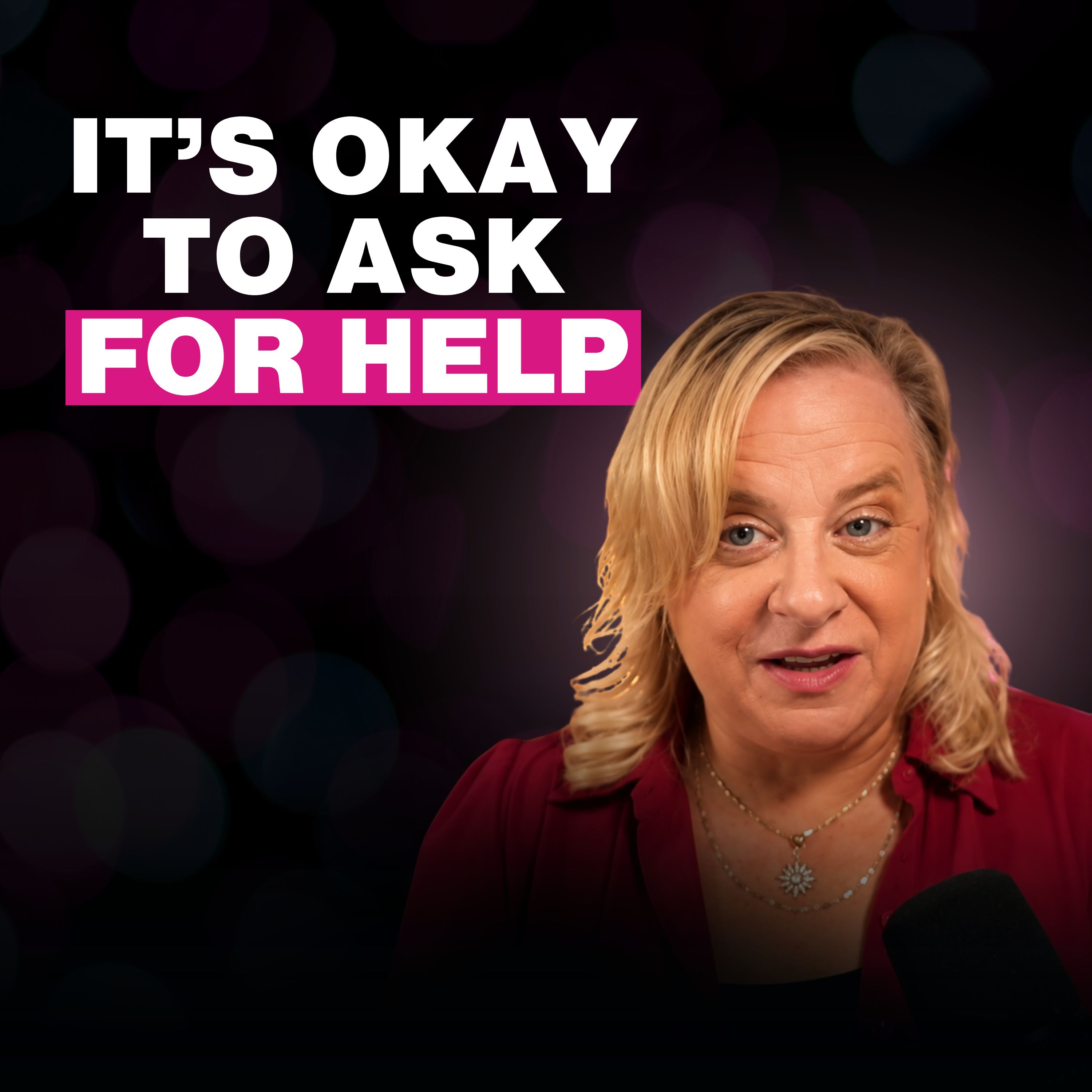
Why Asking for Help Is a Leadership Strength, Not a Weakness
Discover why asking for help is an essential leadership strength rather than a weakness. In this deep dive, learn how high-achieving professionals, educators, and parents can overcome the isolation trap, build collaborative support systems, and foster authentic community connections for long-term personal and professional success.
Key Takeaways
- Asking for help demonstrates self-awareness and emotional intelligence, proving it is a core leadership strength.
- The myth of the self-made individual prevents many high performers from building necessary community support structures.
- Educational and professional environments thrive when collaboration replaces isolated competition.
- Overcoming the fear of vulnerability allows leaders to tap into diverse energies and unique personal styles.
- Building a reliable village requires active engagement, trust-building, and continuous communication.
The Myth of the Lone Wolf Leader
For generations, corporate culture and educational environments have inadvertently celebrated the 'lone wolf'—the individual who works late into the night, handles every crisis without blinking, and refuses to delegate or admit when they are overwhelmed. This archetype is often praised as dedicated, resilient, and fiercely independent. However, modern leadership coaching reveals a much darker side to this persistent myth: burnout, isolation, and diminished returns on creativity and problem-solving.
When leaders operate under the assumption that asking for help signals incompetence, they build an invisible wall between themselves and the very people who could offer support. True leadership is not about having all the answers; it is about knowing how to mobilize a team, leverage diverse skill sets, and admit when a fresh perspective is needed. Shifting our cultural perception of asking for help requires dismantling the ego-driven need to do everything alone.
Why Adults Shy Away From Seeking Support
As children, we naturally ask for help when we cannot tie our shoes, solve a math equation, or navigate a playground dispute. Yet, somewhere along the road to adulthood, asking for assistance becomes stigmatized. We worry that revealing a struggle will impact our career progression, diminish our authority, or burden our colleagues. This fear is amplified in high-stakes fields like education, healthcare, and nonprofit leadership, where professionals are expected to be perpetual caretakers.
Furthermore, the rise of curated digital personas on social media creates a relentless comparison trap. When we only see the polished, successful highlights of our peers' lives and careers, we internalize the false belief that everyone else has it all figured out. This silent comparison breeds insecurity, making individuals even less likely to reach out during moments of personal or professional vulnerability.
Building Your Village: Collaboration in Action
The old African proverb reminds us that 'it takes a village,' yet many modern adults attempt to raise children, build businesses, and manage careers entirely in silos. A sustainable support system is not built overnight; it is intentionally constructed through reciprocity, trust, and shared purpose. Whether looking at a school ecosystem where teachers, counselors, social workers, and principals lean on one another, or a parent navigating the shifting stages of a child's education, community is the true foundation of lasting success.
Investing in the individual is a critical component of this collaborative framework. Every person brings a unique style, energy, and background to the table. When leaders take the time to understand and appreciate these differences rather than forcing everyone into a rigid, one-size-fits-all mold, trust naturally flourishes. This individualized approach creates psychological safety, making it acceptable—and expected—to lean on others when challenges arise.
Practical Steps to Cultivate a Support Network
Creating a reliable village requires deliberate action. Here are practical ways to foster a culture of mutual support in your personal and professional life:
- Audit your current circle: Identify who you turn to during high-stress situations and notice if you are trying to carry too much weight alone.
- Practice micro-vulnerability: Start small by asking a colleague or friend for a minor favor or opinion, which paves the way for deeper trust.
- Offer help unconditionally: Building a reciprocal village means being a reliable support pillar for others when they need to lean on you.
- Ditch the comparison trap: Acknowledge that everyone struggles behind closed doors, and let go of the pressure to project perfection.
Conclusion
Embracing the truth that asking for help is a sign of immense strength transforms how we lead, parent, and live. We are not meant to navigate the complexities of education, career advancement, and personal growth in isolation. By leaning into our communities and valuing individual strengths, we unlock a higher level of collective purpose and resilience.
To hear more insights on leadership, community building, and why asking for help is a superpower, be sure to Listen to the full episode of The Stay On Course Podcast with Julie Riga and guest Carol Calao.
Frequently Asked Questions
Why do adults find it so difficult to ask for help?
Adults often struggle to ask for help due to internalized fears of appearing incompetent, weak, or burdensome to others. Cultural pressures, professional expectations, and the constant comparison trap fueled by social media further reinforce the illusion that we must handle everything independently.
How does asking for help demonstrate leadership strength?
Asking for help requires high emotional intelligence, self-awareness, and humility. Strong leaders recognize their own limitations and leverage the diverse expertise of their team, which builds trust, fosters collaboration, and ultimately leads to better outcomes.
What is the 'individualized approach' in leadership and education?
The individualized approach involves recognizing that not every person's style fits a rigid mold. By honoring each person's unique energy, background, and strengths, leaders and educators can build stronger, more confident, and more collaborative communities.
How can parents build a village to support their children's growth?
Parents can build a supportive village by staying actively involved at every stage of their child's life—from participating in elementary school programs to reviewing schedules in high school and staying present during college—while also relying on teachers, counselors, and community networks.